Let me be honest with you — the keto flu is no joke. I’ve experienced it more than once, usually after falling off the wagon and jumping back into keto without thinking about what my body needed to make the transition. Headaches, fatigue, muscle cramps, brain fog — it’s the kind of miserable that makes you want to quit before you even get started.
But here’s the thing: the keto flu is almost entirely preventable. And the secret weapon? Electrolytes. Let’s break it all down.
What Are Electrolytes and Why Does Keto Deplete Them?
Electrolytes are minerals that carry an electric charge and are essential for regulating nerve signals, muscle contractions, and hydration throughout your body. They include sodium, potassium, magnesium, calcium, chloride, and phosphorus — and you need all of them to feel your best.
So why does keto specifically deplete them? When you cut carbs, your body lowers insulin levels, which signals your kidneys to flush out more sodium. When sodium leaves the body, potassium and magnesium tend to follow. On top of that, carbohydrates are stored as glycogen in your muscles and liver, and every gram of glycogen holds onto water. As those glycogen stores shrink on keto, you lose both water and the electrolytes in it.
The result? A perfect storm of mineral depletion that your body isn’t used to — and that’s exactly where the keto flu comes from.
The Warning Signs of Electrolyte Imbalance
How do you know if your electrolytes are running low? Headaches, dizziness, muscle cramps, heart palpitations, and restless sleep can all point to depleted electrolyte stores — especially if you’re new to keto or have recently returned to it after a break.
Other common signs include:
- Fatigue and low energy despite sleeping well
- Brain fog and difficulty concentrating
- Irritability and mood swings
- Nausea
- Constipation
Sound familiar? If you’ve experienced any of these in the early days of keto, low electrolytes were almost certainly part of the picture.
The Big Three: Sodium, Potassium & Magnesium
🧂 Sodium
Sodium deficiency symptoms include headaches, fatigue, weakness, and difficulty concentrating — all hallmarks of the keto flu. Proper sodium levels help maintain fluid balance, support nerve function, and enhance nutrient absorption. On keto, aim for around 3,000–5,000mg of sodium daily. The easiest way to get there? Salt your food generously and sip on bone broth — it’s a keto staple for a reason!
🥑 Potassium
Potassium works in tandem with sodium to regulate fluid balance and nerve signals. On a ketogenic diet, potassium needs often increase as the body excretes more of this mineral during the initial adaptation phase. The recommended daily intake for potassium on keto is approximately 3,000–4,700mg. keto-friendly sources include avocado, spinach, salmon, mushrooms, and steak.
💊 Magnesium
Magnesium supports over 300 processes in the body and is one of the hardest electrolytes to get enough of through food alone on keto. Symptoms of magnesium deficiency may include muscle twitching or cramping at night or after exercise. Aim for 300–500mg of magnesium daily.
⚠️ Important magnesium note: If you are taking gabapentin or any other prescription medication, please read the next section carefully before reaching for a magnesium supplement.
A Word on Magnesium & Medications — Please Read This
This part is personal for me, and I’m sharing it because I think it matters.
I was recently prescribed gabapentin, and in doing my research I discovered something really important that I want every reader on medication to know: magnesium decreases the intestinal absorption of gabapentin when they are taken at the same time. Gabapentin should be taken at least 2 hours prior to taking any supplement or antacid containing magnesium.
Magnesium-containing antacids can significantly affect the bioavailability of gabapentin, reducing absorption by more than 50% in some cases — meaning the medication may not reach the correct concentration in the blood, potentially leading to uncontrolled pain, seizures, or other symptoms.
This is not meant to scare you away from magnesium — it’s an essential mineral and incredibly important on keto. But it IS a reminder that supplements are not automatically safe just because they’re natural. If you are on any prescription medication, please check with your doctor or pharmacist before adding magnesium or any new supplement to your routine. Gabapentin is just one example — many other medications can also be affected by supplements in ways you might not expect.
Your health is worth that extra conversation with your doctor. 💛
One personal discovery that has been a total game changer for me — especially since starting gabapentin — is Wonderbelly Antacid. If you deal with heartburn or acid indigestion, you know how tempting it is to grab whatever is closest on the drugstore shelf. But most mainstream antacids like Tums and Rolaids contain magnesium as a primary active ingredient — which, as we just discussed, can interfere with gabapentin absorption.
Wonderbelly is different. Its active ingredient is 1000mg of calcium carbonate — the same effective ingredient found in leading brands — with no artificial dyes, no talc, no parabens, no titanium dioxide, and no artificial sweeteners. Clean, effective, and magnesium-free as an active ingredient — which is exactly what I needed.
I keep these in my purse at all times. They work fast, they taste genuinely delicious (the Tropical Fruit flavor is incredible!), and I can take them without worrying about any interference with my medication. A full review is coming soon, but in the meantime:
👉 Shop Wonderbelly Antacid on Amazon
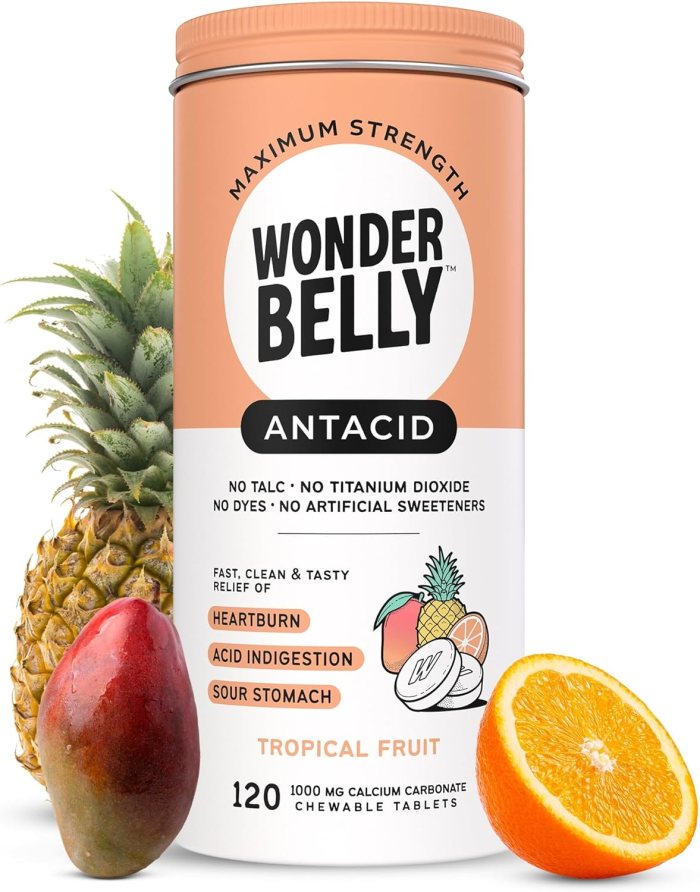
⚠️ Transparency note: Wonderbelly does contain vegetable magnesium stearate as a very small inactive ingredient used in the manufacturing process — this is standard in most tablets and is generally considered safe, but if you have any concerns about magnesium in any form, please check with your doctor or pharmacist before use.
Best Food Sources of Electrolytes on Keto
Before reaching for supplements, try getting your electrolytes from whole foods first:
| Electrolyte | Best Keto Food Sources |
|---|---|
| Sodium | Sea salt, bone broth, pickles, deli meats |
| Potassium | Avocado, spinach, salmon, mushrooms, steak |
| Magnesium | Swiss chard, pumpkin seeds, almonds, dark chocolate (85%+) |
| Calcium | Full fat dairy, sardines, leafy greens |
Best Electrolyte Supplements for Keto
Sometimes food alone isn’t enough — especially in the early weeks of keto or after intense exercise. Here are the best types of supplements to look for:
Electrolyte Powders — A 2019 study found that electrolyte powders mixed with water showed a 23% faster absorption rate compared to tablet forms , making them the gold standard for keto supplementation. Look for sugar-free options with no artificial colors. LMNT, and Ultima Replenisher both make excellent keto-friendly options.
Magnesium Supplements — Forms that are well absorbed include magnesium citrate, magnesium chloride, and magnesium glycinate. Taking up to 400mg of magnesium per day in supplement form is safe for most people with healthy kidneys, and it’s best taken with a meal.
Bone Broth — Don’t underestimate this one! A warm mug of bone broth is one of the most natural, bioavailable sources of sodium and trace minerals available and is deeply soothing during the keto flu. I like the Bare Bones brand personally.
Practical Daily Tips for Staying Balanced
- Salt your food — don’t be afraid of sodium on keto. It’s your friend!
- Drink water consistently throughout the day rather than all at once
- Add a pinch of sea salt to your water bottle for a simple electrolyte boost
- Sip bone broth daily, especially during the first two weeks of keto
- Eat electrolyte-rich foods at every meal — avocado, leafy greens, and salmon are your best friends
- Take supplements with food to improve absorption and minimize digestive discomfort
- Check your medications with your doctor or pharmacist before adding any new supplements
The Bottom Line
Electrolytes are the unsung heroes of the keto lifestyle. Getting them right is the single biggest difference between suffering through the keto flu and breezing through your transition into ketosis feeling energized and clear-headed. Stay hydrated, eat your minerals, supplement smartly, and always — always — check for interactions if you’re on any medication.
You’ve got this! 💪
Have you dealt with the keto flu? What helped you get through it? Share your tips in the comments below — your experience might be exactly what someone else needs to hear! 👇
⚠️ Disclaimer: This post is intended for informational purposes only and does not constitute medical advice. Always consult your doctor or pharmacist before adding new supplements to your routine, especially if you are taking prescription medications. Individual needs may vary.
 Crazy Keto Chick
Leave a comment