
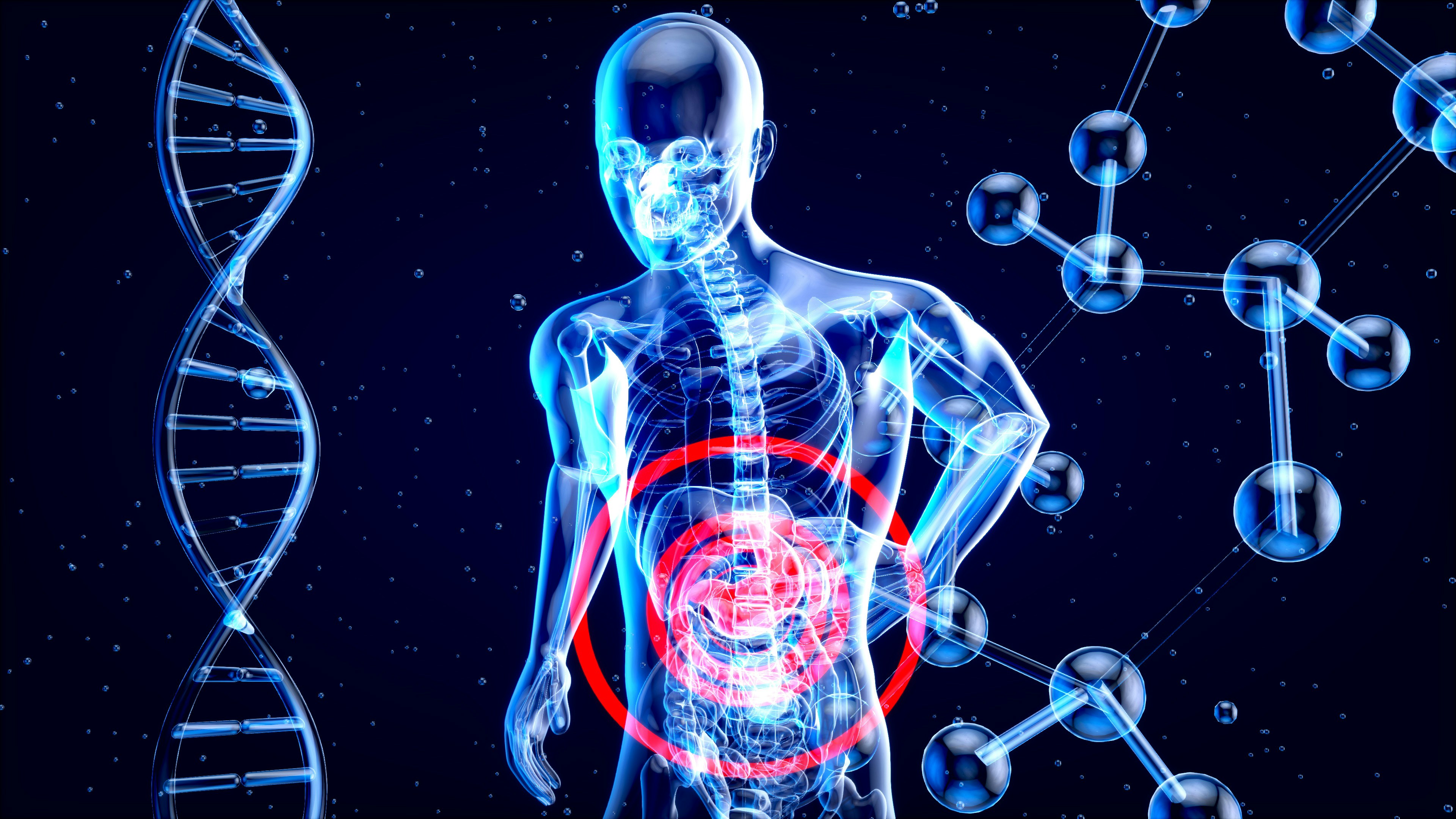
Gut health is the #1 wellness trend of 2026 — and for good reason. The research coming out of microbiome science over the past few years is genuinely staggering. Your gut influences your weight, your immune system, your mood, your sleep, your hormones, and your inflammation levels. It’s being called the “second brain” for a reason.
But here’s the question nobody in the keto space is answering clearly: what does keto actually do to your gut microbiome? Does it help or hurt? And if you’re managing a gut condition — like I am, like many of you, in the EDS community with GI comorbidities — what do you need to know to keep your microbiome thriving on keto? That’s what this post is about. 👇
What Is the Gut Microbiome?
Your gut microbiome is the vast community of trillions of microorganisms — bacteria, fungi, viruses, and other microbes — that live in your digestive tract, primarily in the large intestine. You have more microbial cells in your body than human cells. This isn’t a minor houseguest situation. Your microbiome is a fully functioning organ-level system that:
- Digests certain foods your own enzymes can’t process
- Produces vitamins including B12, K2, and certain B vitamins
- Manufactures short-chain fatty acids (SCFAs) like butyrate — the primary fuel for your colon cells
- Regulates your immune system (approximately 70% of immune function lives in the gut)
- Communicates with your brain via the gut-brain axis, influencing mood, anxiety, and cognitive function
- Influences metabolic health, insulin sensitivity, and weight regulation
- Modulates inflammation throughout the entire body
A 2025 review in the journal Gut Microbiota for Health highlighted that research from the past year has confirmed the microbiome’s central role in metabolic health, cardiovascular risk, gastrointestinal disease, and even stress response via the HPA axis — the same cortisol system I wrote about in my cortisol and keto post. The gut-brain-stress connection is deeply real. (Source)
What Does Keto Do to Your Gut Microbiome? The Honest Answer
This is the question at the heart of this post — and the honest answer is: it’s nuanced, it depends heavily on how you do keto, and you have significant control over the outcome.
⚠️ The potential challenge: fiber and microbial diversity
The biggest concern in the research around keto and gut health is fiber. Gut bacteria thrive on prebiotic fibers — the indigestible plant fibers that ferment in the colon and feed beneficial species. A 2019 review published in Genes (PMC ID: PMC6678592) found that a very low carbohydrate ketogenic diet significantly alters gut microbiome composition, with potential reductions in fiber-fermenting bacteria including Bifidobacteria and certain Lactobacillus strains when the diet is low in plant foods.
In short: dirty keto or lazy keto — heavy on processed meats, cheese, and fat bombs with minimal vegetables — can negatively impact your microbiome over time by starving the beneficial bacteria that depend on fiber. This is a real concern and worth taking seriously.
✅ The potential benefits: inflammation, pathogens, and metabolic balance
The same research consistently shows that a well-formulated, vegetable-rich keto diet has meaningful gut benefits:
- Reduces gut inflammation. Ketosis reduces systemic inflammatory markers including IL-6 and CRP — directly benefiting the gut lining and reducing conditions like leaky gut driven by chronic inflammation.
- Starves pathogenic bacteria. Many harmful gut bacteria thrive on sugar and refined carbohydrates. Eliminating these removes a key fuel source for pathogens and may help rebalance the microbiome in favor of beneficial species.
- Supports the gut lining. The amino acid glycine — abundant in bone broth and collagen — supports intestinal lining integrity. Healthy fats like omega-3 fatty acids from fatty fish are also anti-inflammatory to gut tissue.
- Improves metabolic signaling. Improved insulin sensitivity and stable blood sugar on keto has downstream benefits for the gut-metabolic axis, with research showing better gut barrier function in insulin-sensitive individuals.
- Fermented high-fat foods are probiotic. Hard aged cheeses like Parmesan contain friendly bacteria that can colonize the gut. Research has confirmed this in the PMC review above, making full-fat fermented dairy an underappreciated gut health tool on keto.
The research is clear: the impact of keto on your microbiome depends almost entirely on the quality of the diet. A vegetable-rich, fiber-conscious keto diet can support gut health. A processed, low-fiber keto diet can harm it. You choose which version you’re doing. 💛
Prebiotics, Probiotics, and Postbiotics: What’s the Difference? 🦠
These three terms get used interchangeably and they absolutely shouldn’t. Here’s the plain-English breakdown:
| Term | What it is | Analogy | Keto-friendly sources |
|---|---|---|---|
| Prebiotics | Non-digestible fibers that FEED your beneficial gut bacteria | The fertilizer | Garlic, onion, leeks, asparagus, flaxseed, glucomannan, resistant starch |
| Probiotics | Live beneficial bacteria and yeasts you consume to ADD to your microbiome | The seeds | Sauerkraut, kimchi, kefir, Greek yogurt, aged cheese, probiotic supplements |
| Postbiotics | The beneficial compounds PRODUCED by probiotic bacteria (like butyrate, SCFAs) | The harvest | Generated by your gut when prebiotics + probiotics work together; bone broth supports butyrate production |
The most important of these to understand for keto is butyrate — a short-chain fatty acid produced when gut bacteria ferment prebiotic fiber. Butyrate is the primary fuel source for colonocytes (colon cells), helps maintain the gut lining barrier, modulates inflammation, and has even been linked to mood regulation via the vagus nerve. Producing enough butyrate requires adequate prebiotic fiber — which is the central challenge on keto.
The Best Keto-Friendly Prebiotic Foods 🌱
Here’s where many keto dieters leave gut health on the table — they don’t realize how many excellent prebiotic foods are already low-carb. You don’t need oats or bananas to feed your gut bacteria. You need these:
| Food | Prebiotic type | Net carbs (approx) | Bonus |
|---|---|---|---|
| Garlic | Inulin, FOS | ~1g per clove | Antimicrobial — fights pathogenic bacteria |
| Onion | Inulin, FOS | ~4g per ¼ cup | Use in cooking for flavor + gut benefit |
| Leeks | Inulin | ~3g per ¼ cup | Excellent in soups and eggs |
| Asparagus | Inulin | ~2g per 6 spears | Also rich in folate |
| Flaxseed meal | Soluble + insoluble fiber | ~0g net (mostly fiber) | Also omega-3s; easily added to yogurt or shakes |
| Glucomannan powder | Soluble fiber / konjac | ~0g net | Feeds Bifidobacteria; thickener for sauces |
| Avocado | Soluble fiber | ~2g net per half | Also potassium + healthy fat |
| Sauerkraut (also probiotic) | Fermented fiber | ~1g per ¼ cup | Dual action: prebiotics AND live cultures |
| Jerusalem artichoke (sunchoke) | Inulin — very high | ~8g per ½ cup | Higher carb — use sparingly but powerful |
| Bone broth | Collagen/gelatin — supports butyrate production | 0g | Also electrolytes; keto staple |
💡 Pro tip: Aim to include at least 2–3 prebiotic foods daily. Garlic and onion are the easiest — they go in almost everything. A tablespoon of flaxseed meal stirred into Greek yogurt takes ten seconds and meaningfully supports your microbiome. Glucomannan powder can be used as a thickener in sauces and gravies, adding prebiotic fiber invisibly to your meals.
The Best Keto-Friendly Probiotic Foods 🥫
Good news: many of keto’s most beloved foods are also excellent probiotic sources. These contain live bacteria that, when consumed regularly, contribute to microbiome diversity:
- 🥬 Sauerkraut — fermented cabbage, ~1g net carbs per serving. Buy refrigerated (not shelf-stable) for live cultures. Excellent on eggs, burgers, or straight from the jar.
- 🌶️ Kimchi — fermented Korean vegetables with spices. ~2g net carbs. Rich in Lactobacillus strains. Fantastic with fatty meats.
- 🥛 Full-fat plain Greek yogurt — contains live Lactobacillus and Streptococcus thermophilus cultures. ~5–6g net carbs per serving. Choose plain, full-fat varieties.
- 🧀 Aged hard cheeses — Parmesan, Gruyère, aged cheddar. Research has confirmed that Parmesan in particular contains friendly bacteria that can colonize the gut. Zero carbs per serving.
- 🥛 Kefir (water-based or low-carb versions) — one of the most diverse probiotic sources available. Full-fat, plain kefir is significantly lower in carbs than fruit-flavored versions.
- 🥬 Miso — fermented soybean paste. Small amounts for flavor add meaningful probiotic benefit with minimal carbs.
Should You Take a Probiotic Supplement on Keto?
For most people, the answer is a cautious yes — especially during the transition to keto when the microbiome is adapting rapidly, and for those managing gut conditions like IBD, Crohn’s, or the GI comorbidities common in EDS. The PMC review of keto and the gut microbiome specifically recommends prebiotic and probiotic supplementation as a strategy to maintain “ecological balance” of gut microbiota during a ketogenic diet. (Source: PMC6678592)
What to look for in a probiotic supplement:
- ✅ Multiple strains — microbiome diversity matters; single-strain products are rarely sufficient
- ✅ High CFU count — 50 billion CFU or more is the effective range for most adults
- ✅ Includes Bifidobacterium strains — these are the species most commonly reduced on low-fiber keto and most important to replenish
- ✅ Includes built-in prebiotic fiber — synbiotics (pre + probiotic together) are more effective than probiotics alone
- ✅ Shelf-stable — strains that survive without refrigeration have generally better stomach acid survival
- ✅ Zero carbs, no fillers or sweeteners — keto non-negotiable
- ✅ Third-party certified — Non-GMO, tested for purity
The probiotic I recommend for this community is Garden of Life Dr. Formulated Probiotics, formulated by Dr. David Perlmutter — one of the world’s leading microbiome experts. Both the women’s and men’s versions deliver 50 billion CFU with 15–16 diverse strains, include an organic prebiotic fiber blend built in (making them a true synbiotic), are shelf-stable, and are verified Non-GMO and free from dairy, gluten, soy, and artificial anything. Zero carbs. Clinically studied strains. Zero compromise on quality.
- 💚 Women: Garden of Life Dr. Formulated Probiotics Once Daily Women’s — includes clinically studied L. reuteri and L. fermentum for vaginal health, plus 16 strains for digestive and immune support
- 💪 Men: Garden of Life Dr. Formulated Probiotics Once Daily Men’s — 15 strains with colon health and immune focus, plus organic prebiotic fiber
OLIPOP: Prebiotic Support in a Can 🥤
One product I’ve already covered in depth and can’t leave out of this conversation is OLIPOP. This isn’t just a soda substitute — it’s a prebiotic delivery system in a delicious, carbonated format. Each can contains 9 grams of prebiotic plant fiber (from a blend of cassava root, chicory root, Jerusalem artichoke, and calendula flower), contributing meaningfully to your daily microbiome support at only 2–5g net carbs per can. It’s one of the most practical ways to get prebiotic fiber into your keto day without eating a bowl of oats. I have a full review on the blog if you want the deep dive.
Gut Health & EDS: The Overlap Is Real 🦓
For the zebra community, gut health is not an optional wellness topic — it’s often a daily reality. GI involvement in hypermobile EDS includes mast cell activation, dysmotility, gastroparesis, SIBO, and leaky gut at significantly higher rates than the general population. The gut’s connective tissue — which is literally made of collagen — is affected by the same extracellular matrix dysfunction that drives joint hypermobility.
This means supporting your gut microbiome isn’t just about digestion for us — it’s about systemic inflammation, immune regulation, and the gut-brain-cortisol axis I’ve covered in my cortisol and keto post. Every intervention that supports the gut lining — bone broth, collagen, prebiotic fiber, quality probiotics — is directly relevant.
I’ve also written about Crohn’s and keto specifically at this post, and about the EDS-collagen connection in my collagen on keto guide. This post sits alongside both of those as part of the broader connective tissue and gut health picture. 💚
A Note on Sweeteners and Gut Health
This is worth addressing directly because it’s genuinely relevant to keto gut health. The PMC review noted that some artificial sweeteners may affect gut microbiome composition, while natural sweeteners like stevia are generally considered safe — though the review notes further investigation is warranted. (Source: PMC6678592)
Current evidence suggests:
- ✅ Erythritol, allulose, monk fruit, and stevia appear to be gut-neutral or mildly beneficial in the research available
- ⚠️ Sucralose (Splenda) and saccharin have shown some unfavorable microbiome effects in some studies — worth limiting if gut health is a priority
- ⚠️ Maltitol (found in many “sugar-free” chocolates and candies) is notorious for GI distress and can feed certain harmful bacteria — avoid entirely
This connects directly to my GI index and sweeteners guide for a full breakdown of how different sweeteners affect blood sugar and your gut. And check your labels for hidden sugars — some sneaky gut disruptors hide in plain sight.
Your Keto Gut Health Action Plan 📝
Here’s what a gut-conscious keto approach looks like in practice:
| Goal | Action |
|---|---|
| Feed beneficial bacteria | Include garlic, onion, asparagus, or leeks in at least one meal daily. Add 1 tbsp flaxseed meal or glucomannan to yogurt or smoothies |
| Add live cultures | Eat sauerkraut, kimchi, or full-fat Greek yogurt daily, OR take a quality probiotic (Women’s / Men’s) |
| Support the gut lining | Drink bone broth regularly. Add collagen peptides to coffee. Eat fatty fish 2–3x per week for omega-3 anti-inflammatory support |
| Reduce gut inflammation | Eliminate sugar and refined carbs (you’re already doing this on keto). Limit ultra-processed keto products. Emphasize whole foods |
| Hydrate | Adequate water supports gut motility — even mild dehydration slows digestion and disrupts the microbiome |
| Prebiotics in a can | Replace a soda with OLIPOP for 9g prebiotic fiber at ~3g net carbs |
| Manage stress | The gut-brain axis is real — chronic stress disrupts the microbiome directly. See my cortisol and keto guide |
The Bottom Line
Keto doesn’t have to be hard on your gut — but it does require intentionality. A dirty keto diet that’s low in vegetables and fiber can negatively alter your microbiome over time. A clean, vegetable-rich keto diet that prioritizes prebiotic foods, fermented foods, bone broth, and quality supplementation can genuinely support a thriving microbiome — while simultaneously delivering all the metabolic benefits keto is known for.
The gut and the ketogenic lifestyle are not opponents. When you approach keto with gut health in mind, they become powerful allies. 🦠💛
What’s your experience with gut health on keto? Have you noticed changes in digestion when you eat more or fewer vegetables? Do you take a probiotic? Drop it in the comments — I learn so much from this community. 👇
💰 Transparency note: This post contains affiliate links. If you purchase through my links I may earn a small commission at no extra cost to you. I only recommend products I genuinely believe in.
⚠️ Disclaimer: This post is for informational purposes only and does not constitute medical advice. If you have a diagnosed gastrointestinal condition, please consult a qualified healthcare provider before making significant changes to your diet or adding supplements. Probiotic responses are highly individual.
Photo by julien Tromeur on Unsplash
Leave a Reply