It started with a label check. I was standing in my kitchen one afternoon, idly reading the back of my Morton iodized salt, when I spotted it buried in the ingredients list: dextrose. Sugar. In my salt. I did a double take. How had I never noticed this before? And more importantly — what else was hiding in my pantry that I hadn’t thought to question?
If you’re on a keto or low carb journey, you already know that reading labels is non-negotiable. But even the most diligent label readers can get caught off guard by hidden sugars lurking in the most unexpected places. Let’s start with the one that shocked me most.
Wait — Why Is There Sugar in My Salt?
Here’s the short answer: it’s not there to sweeten your food. It’s there for chemistry.
Many iodized table salts contain a minute amount of dextrose — a simple sugar — which functions as a stabilizing agent to prevent the iodine from evaporating over time. Without it, the potassium iodide added to salt would oxidize and break down, eventually evaporating right out of the container and leaving you with iodine-free salt.
So where did this all start? In 1924, Morton became the first company to produce iodized salt for the table in order to reduce the incidence of simple goiter — a condition caused by iodine deficiency that was rampant in certain parts of the United States at the time. Dextrose was added to stabilize the iodide, as iodine is vital to the proper functioning of the thyroid gland and the prevention of goiter. And why dextrose specifically? The reason sugar is added in the form of dextrose is because dextrose comes from corn, and corn is subsidized — making it cheaper and more readily accessible than other stabilizing options. To stabilize the volatile iodine compound, processors add dextrose, which turns the iodized salt a purplish color — so a bleaching agent is then necessary to restore whiteness to the salt. In other words, there’s more going on in that little blue canister than most of us ever realized!
Now for the reassuring part: the amount of dextrose is so minuscule — often 1% or less by weight, and in some cases as little as 0.04% — that it does not affect the salt’s taste and is not considered a dietary source of sugar. From a strict keto standpoint, the trace amount in iodized salt is not going to knock you out of ketosis.
That said — I’d still rather not have corn-derived sugar in my salt if I can avoid it. And the good news is, you easily can.
The Simple Fix: Switch Your Salt
If the idea of dextrose in your salt bothers you — even in trace amounts — here are three clean alternatives that contain zero added sugar:
🧂 Morton Plain (Non-Iodized) Table Salt — The simplest swap. No iodine added means no dextrose needed. Just pure salt.
🧂 Sea Salt — Naturally harvested from evaporated seawater, most sea salts contain no additives whatsoever. Look for brands with a single ingredient: sea salt.
🧂 Himalayan Pink Salt — A fan favorite in the keto community. Naturally rich in trace minerals, no additives, no dextrose, and a beautiful color to boot. 🌸
One thing to keep in mind: if you switch away from iodized salt, make sure you’re getting iodine from other sources — seafood, eggs, and dairy are all great natural sources of iodine on a keto diet.
It Doesn’t Stop at Salt: Hidden Sugars in Your Pantry
Here’s where it gets really eye-opening. If sugar can hide in something as simple as table salt, imagine what’s lurking in the rest of your pantry. Sugar and all its processed forms lurk in more foods than most people realize — and if you’re not paying close attention, these hidden sugars could be holding you back from reaching ketosis.
Here are some of the most common offenders to watch out for:
🍅 Pasta Sauce & Marinara — Depending on the brand, a half cup of store-bought marinara sauce can contain up to 4 to 5 grams of added sugars. Manufacturers add sugar to tone down the acidity from the tomatoes. Always check labels and look for no-sugar-added varieties.
🥗 Salad Dressings — Condiments like ketchup and store-bought salad dressings can contain a surprising amount of sugar — especially fat-free and low-fat versions. Fat equals flavor, so food manufacturers need to impart more flavor when they take the fat out of their products — and the solution is usually sugar. Stick to oil and vinegar or make your own dressing at home.
🥣 “Healthy” Granola & Breakfast Bars — They sound like health food, but many granola products add sweeteners like corn syrup, brown sugar, honey, brown rice syrup, dextrose, and fructose — with some having a yogurt or chocolate coating that can ramp sugars up fast, anywhere from 8 to 12 grams per serving. I recommend the Quest Bars as an alternative; The Quest Chocolate Bar is my fav! You can see my review for them here.
🥛 Flavored Yogurt — Many yogurt brands add sugar to improve taste — just two thirds of a cup of vanilla yogurt can contain 17 grams of added sugars. Opt for plain full-fat Greek yogurt and add your own keto-friendly toppings instead.
🥫 Canned Soups — Even savory foods like soups, pasta sauces, and ready-made meals may contain added sugars to balance flavors. Always read the label on canned and packaged soups — the sugar content can be surprisingly high.
🧴 Condiments — Ketchup, BBQ sauce, and even some mustards contain added sugar. A single tablespoon of ketchup contains about 4 grams of sugar. On keto, swap to yellow mustard, hot sauce, or sugar-free alternatives. I HIGHLEY recommend the G Hughes BBQ Sauces – they are sugar free and delicious! Even my sugar fiend sister loves these when I leave them in her fridge!
Know Your Sugar Aliases
One of the sneakiest things food manufacturers do is disguise sugar under different names on ingredient lists. Foods can still contain added sugars even if they don’t list the word “sugar” — common types of added sugars found on labels include processed sugar molecules like fructose, sucrose, dextrose, and maltose, as well as syrups like rice syrup, maple syrup, corn syrup, and brown rice syrup.
Here are some of the names to watch for on your next grocery run:
- Dextrose, glucose, fructose, sucrose, maltose
- High fructose corn syrup, corn syrup, rice syrup
- Brown rice syrup, barley malt, cane juice
- Honey, agave, molasses, maple syrup
- Fruit juice concentrate, fruit nectar
If you spot any of these in the first few ingredients of a label — put it back on the shelf! 🙅♀️
The Bottom Line
The fact that sugar hides in something as basic as table salt is a perfect reminder of why reading labels is one of the most powerful tools in your keto toolkit. It’s not about paranoia — it’s about knowledge. And now that you know what to look for, you’re already one step ahead.
Check your labels, know your sugar aliases, and when in doubt — choose whole, single-ingredient foods as often as possible. Your macros will thank you! 💪
Were you surprised to learn about the sugar in table salt? Drop a comment below — and share this post with a keto friend who needs to check their pantry! 👇
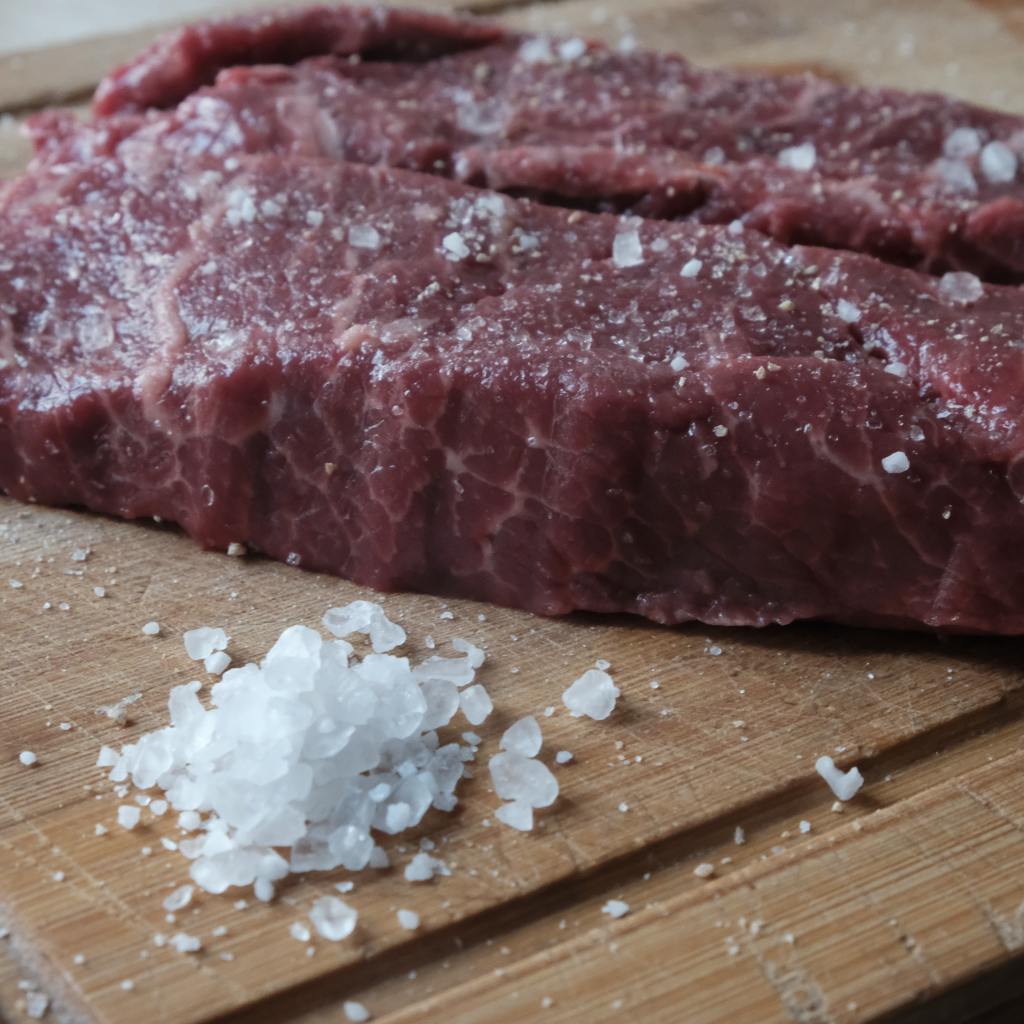
Photo credit of featured image: Louis Mornaud on Unsplash


 Crazy Keto Chick
Leave a reply to Keto Easter Dinner: A Complete Guide to a Delicious Low Carb Easter Feast 🐣 – Crazy Keto Chick Cancel reply